
Garden Ornamental Walling
New dry stone garden walls built to bring both aesthetic character and boundary structure to your outdoor space. Using Alston Natural Stone, every wall is designed around the space it sits in, with features such as curved walls, retaining walls, steps, stiles and berms tailored to suit your garden.
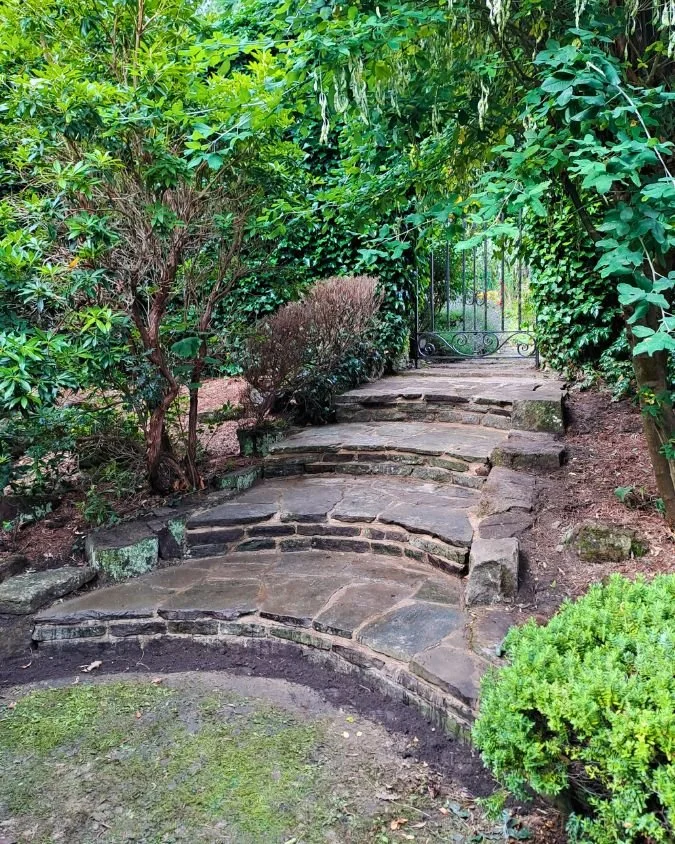
Steps & Pathways
Mortared steps built to follow the natural curve of a garden path, blending stonework with planting. This project was for an Ornamental Garden in Wylam, Northumberland.

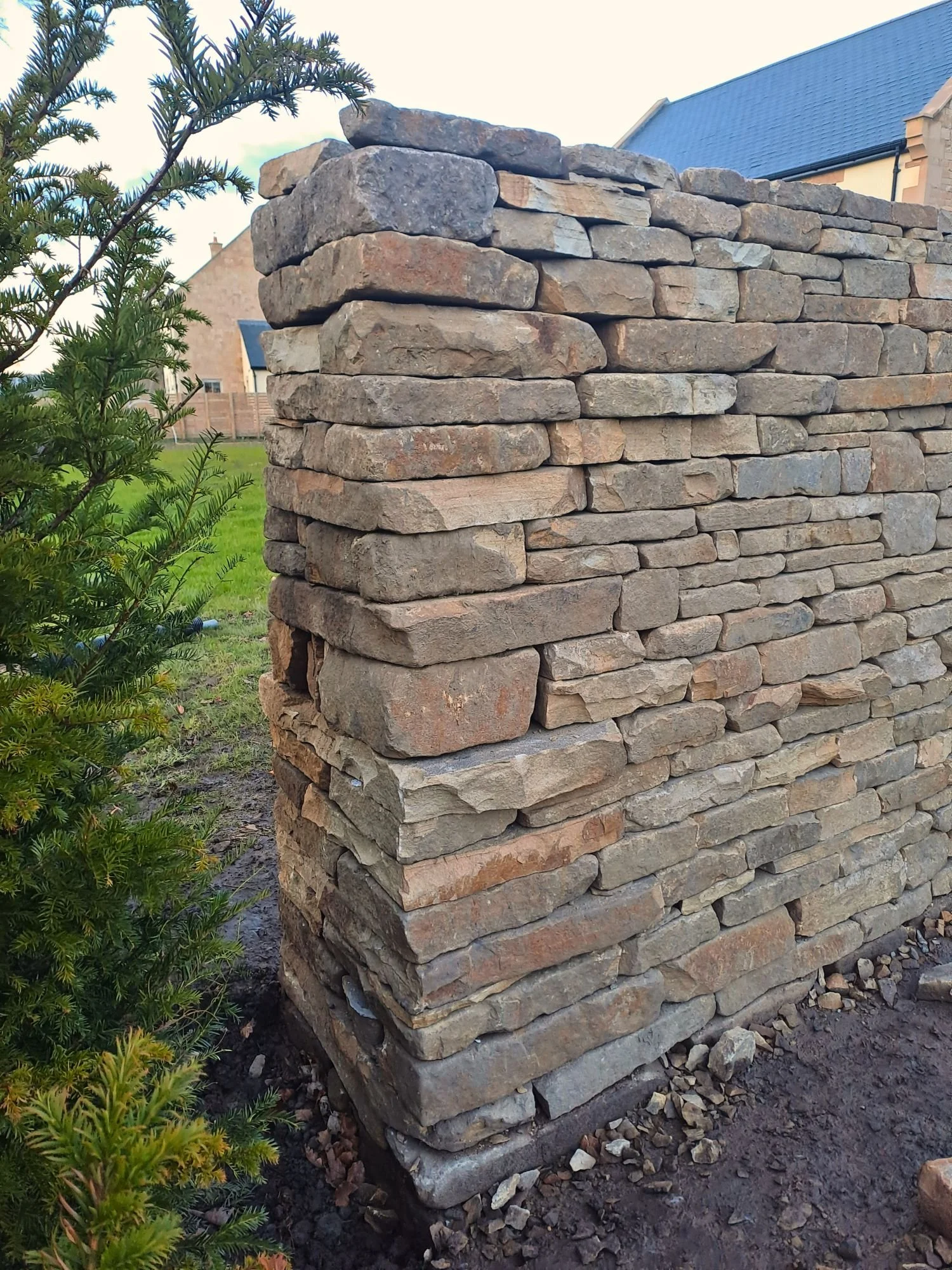
Curved Walls
Curved sections require careful coursing and stone selection to maintain the wall's structure while following the bend. This project was for a residential garden in Northumberland.

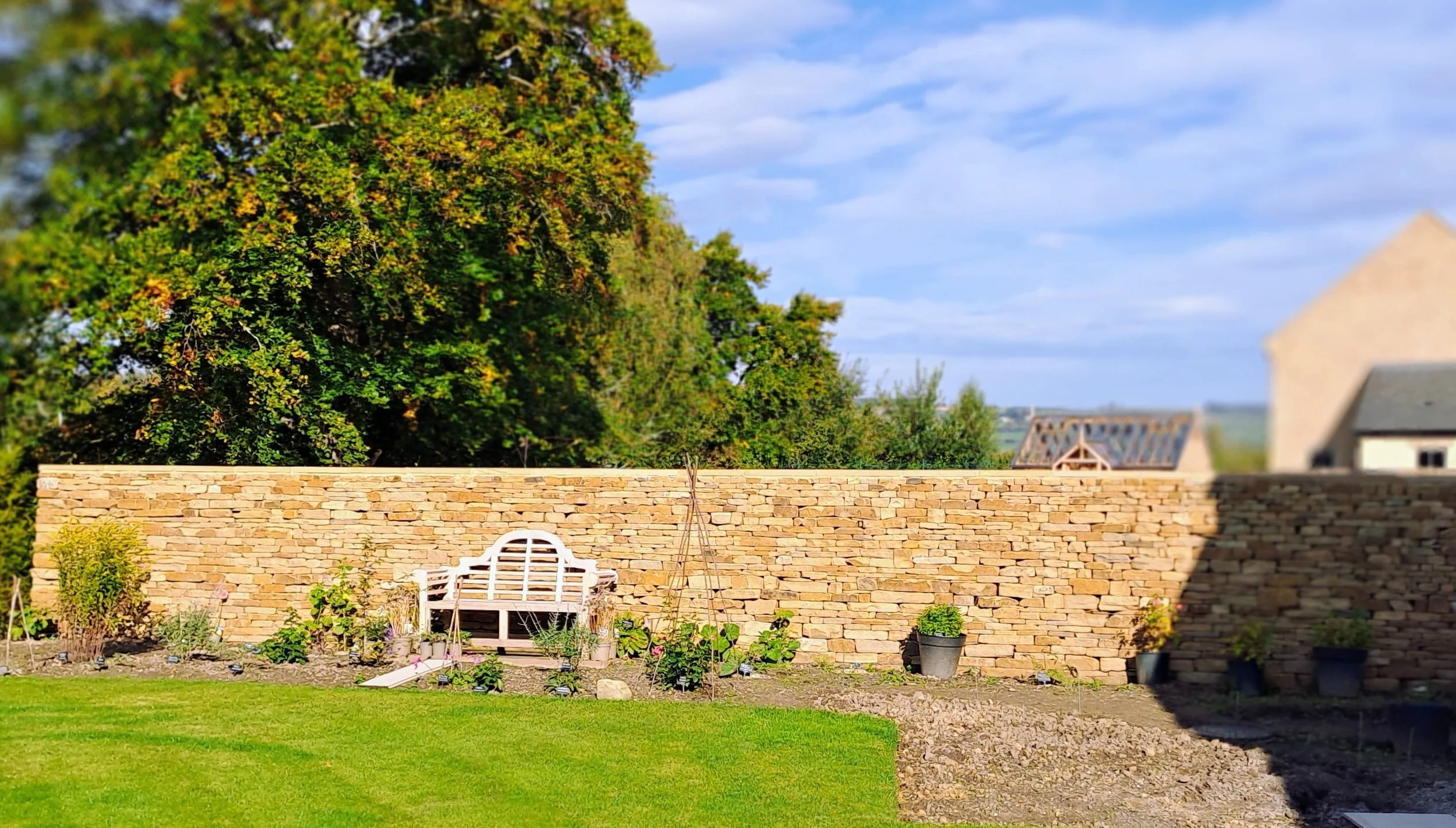
High Garden Walls
Taller sections of walling used to create privacy, a backdrop for planting, or a distinct feature within a larger garden design. This dry stone wall was built in Dilston, Northumberland.

Boundary Walls
Traditional dry stone boundary walls marking the edge of a garden or property, built without mortar using stone stacked and fitted by hand. This was a dry stone wall I built in Kielder.
Past Projects
From private gardens across Northumberland and Cumbria to larger projects for country homes and public organisations. Whatever the setting, each wall is built to the same standard of craftsmanship and care.
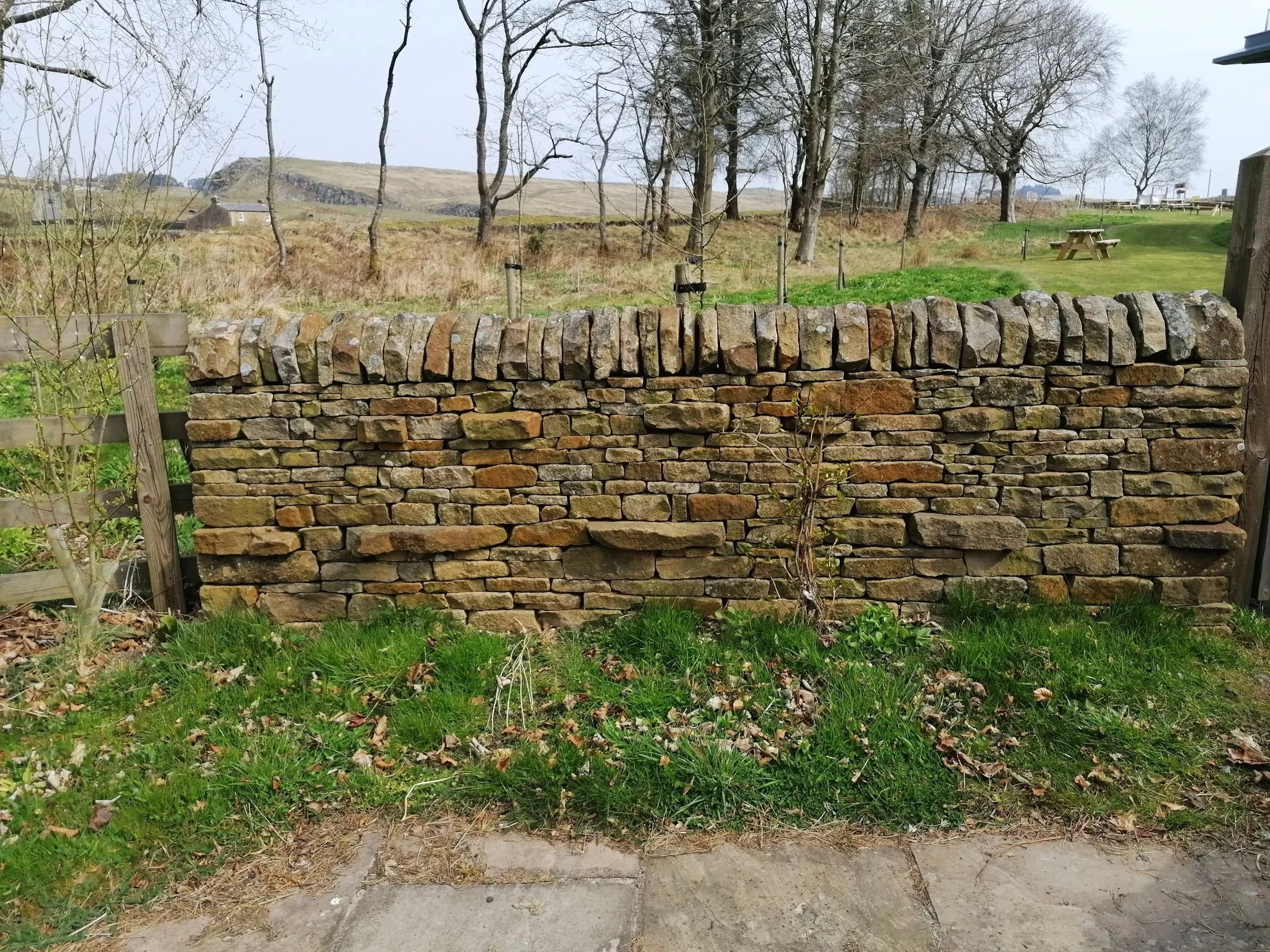

Client
Northumberland National Park
Location
The Sill, National Landscape Discovery Centre, Once Brewed


Client
Country Home Resident
Location
Wylam, Northumberland
Client
Homeowner
Location
Dilston, Northumberland


Client
Gary Oldfield
Location
Chollerford, Hexham, Northumberland
Frequently Asked Questions
-
Absolutely. I work with you to design a feature wall that suits your garden, from gentle curves to more elaborate shapes. I’ll work with you to understand your needs and figure out the most suitable stone practically and aesthetically for your space.
-
Yes, I have experience building retaining walls of varying scale, using both mortared and dry stone techniques depending on the site. For example, I recently repaired a retaining curved wall in Wylam, Northumberland, rebuilding it fully in dry stone.
-
They can, I've built a range of steps and stiles into garden walls, and I'm happy to work with you to get the dimensions and design right for your space. I recently constructed a garden wall with stile in Chollerford, Hexham as well as dry stone steps in Wylam.
-
This answer varies hugely depending on the scale and design of the project. I am always happy to come and see the job to give a more accurate idea of time frames.
-
Every garden wall is different, so cost depends on the complexity of the project. I always provide a free quote after visiting the site, so you get an accurate price based on your specific requirements rather than a generic estimate.