
Estate Walling
Estate walling covers boundary and feature work for the National Trust and large country properties across Northumberland and Cumbria. Every project is approached with the same respect for the history and character of the setting it sits within.
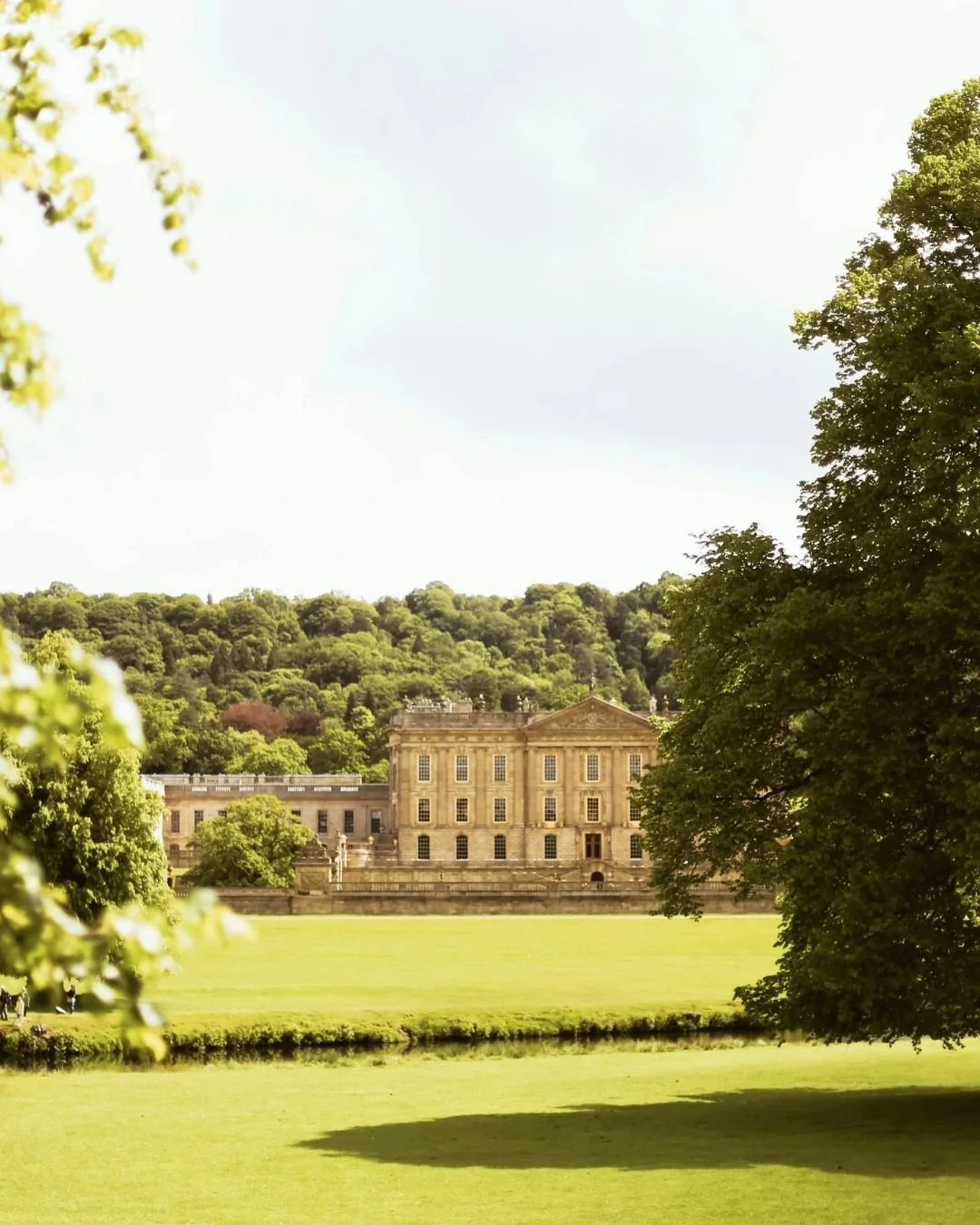
Working & Public Land
Estate walls often do two jobs at once: dividing working agricultural land, while also lining grounds seen by visitors. That means balancing the practical demands of a farm boundary with the presentation expected of a country estate.

Materials
Additional stone is sourced from suppliers such as Alston Natural Stone to supplement original material, matched carefully to blend with the historic wall it's repairing. This is a close up of a wall repair for National Trust at Wallington Estate, Morpeth.

Historic Technique
Many estate walls were originally built using lime mortar rather than as pure dry stone structures. Restoration work respects the wall's original construction, while adding elements like through-stones to strengthen it for the long term.

Setting
Much of this work takes place within historic parkland and woodland, where the wall needs to sit naturally alongside existing landscaping and heritage buildings.
Past Projects
A look at recent estate and heritage walling projects across Northumberland, repairing and restoring boundaries for organisations that care for the land's history as much as its upkeep.


Client
National Trust
Scope
Repair of boundary wall gaps using Alston Natural Stone, with through-stones added to strengthen the historically lime-mortared wall's unusual curved-internal, flat-external design.
Location
Wallington Hall, Morpeth, Northumberland
Frequently Asked Questions
-
Yes, I've worked on heritage-protected walls for large estates including Wallington Hall and sections of Hadrian's Wall, for the National Trust and Nunwick Estate. Some repairs require an archaeological watching brief, where an archaeologist is present during the rebuild in case artefacts are found. I've carried this out with Northumberland National Park while working on a Scheduled Ancient Monument.
-
This starts with a careful assessment of the wall. It's usually best practice to dismantle right back until a sound section is found, rather than simply patching over damage, since this gives the rebuilt wall a much better chance of lasting.
-
Yes, I use traditional dry stone techniques for conservation work, rebuilding course by course with larger foundation stones at the base and smaller stones that interlock naturally above. Where needed, I also introduce lime mortar to match the wall's existing method and materials.
-
Yes, I'm experienced with large-scale projects. I've completed a 1,000-metre restoration for Northumberland National Park, as well as a large repair project at Fallowlees Farm and Wallington Hall for the National Trust.